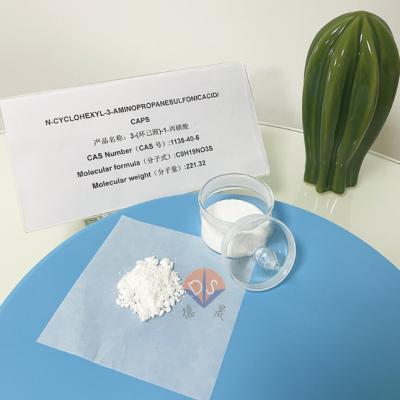
 Business License

DA64 color reagent: breaking through interference barriers and opening up a new trend of high-sensit
In modern biological detection technology, the performance of color reagents directly affects the accuracy and reliability of experimental results. With the increasing complexity of detection requirements, researchers have put forward higher requirements for the sensitivity, stability, and anti-interference ability of reagents. DA64, as a new generation of chromogenic substrates, is becoming a highly favored detection reagent in laboratories due to its excellent performance.
High anti-interference ability: the "sea calming needle" in complex samples
In the actual detection process, the sample matrix often contains a large amount of interfering substances, such as proteins, lipids, pigments, etc., which may affect the progress of color reactions and lead to deviation in detection results. DA64, with its unique molecular structure and chemical properties, exhibits strong anti-interference ability when facing complex samples. Compared with traditional colorimetric reagents, DA64 can maintain stable colorimetric effects in various sample matrices, significantly reduce background interference, and improve the specificity and accuracy of detection.
Trace detection: sensitivity reaches a new level
Sensitivity is a key factor determining the success or failure of experiments in the detection of trace substances such as biomarkers, drug residues, and environmental pollutants. DA64 not only inherits the advantages of traditional color reagents, but also achieves breakthroughs in sensitivity. It has a wider absorption wavelength, more sensitive color reaction, and can also obtain clear and stable signals under low concentration conditions. This makes DA64 highly applicable in the field of microanalysis, especially in experimental scenarios that require high detection limits.
Easy to operate: an efficient detection solution that does not require complex equipment
Compared with high-sensitivity detection technologies such as luminescence and fluorescence, DA64 does not require expensive instruments and equipment, and only requires a regular colorimeter to complete the detection. This low threshold and high-efficiency detection method not only reduces experimental costs, but also improves operational convenience, making it particularly suitable for use in resource limited or on-site detection environments. The advantage of DA64 makes it widely applicable in various fields such as clinical diagnosis.
From research and development to application: Desheng New Materials opens up innovation in chromogenic substrates
In the field of research and production of chromogenic substrates, Hubei Xindesheng has always been driven by technological innovation, continuously promoting the optimization and upgrading of the performance of color reagents. The company not only focuses on the development of highly sensitive color reagents such as DA64, but also continues to expand its product line, covering various wavelengths and application scenarios of chromogenic substrates such as DA67, TOOS, MAOS, etc., which can meet different experimental needs. With a professional technical team and rigorous production processes, Desheng New Materials has become an important force in the field of colorants and substrates in China. In the future, Desheng will continue to uphold the spirit of innovation, deeply cultivate color rendering technology, and help scientific research experiments move towards higher precision and wider applications.
Recently Posted
-
Do you know these details about Carbopol 940?
November 28, 2025In the research and development field of cosmetics and personal care products, Carbomer 940 has become an indispensable ingredient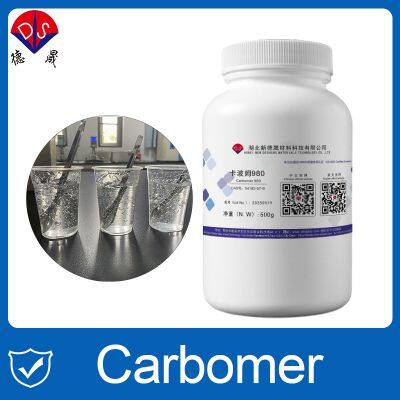 Read More
 -
How to use color reagent DA64-DA67
November 28, 2025In the fields of chemical analysis and biological detection, the use of color reagents DA64-DA67 covers a series of rigorous opera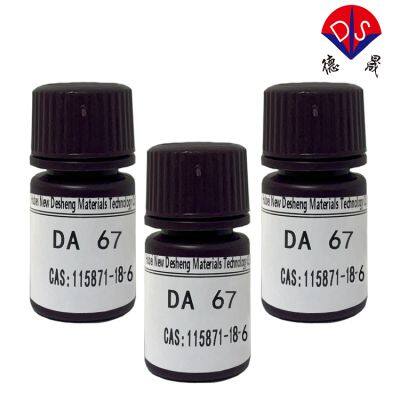 Read More
 -
Analysis of the advantages of high absorption wavelength of chromogenic substrate MAOS
November 28, 2025In the field of biochemical detection, chromogenic substrates are the "bridge" connecting target molecules with observab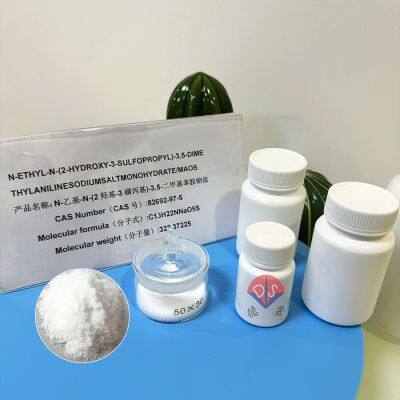 Read More
 -
Potential risks of using expired chromogenic substrate MADB
November 28, 2025In molecular biology and immunology research, chromogenic substrates serve as key carriers for detecting signals, and their stabil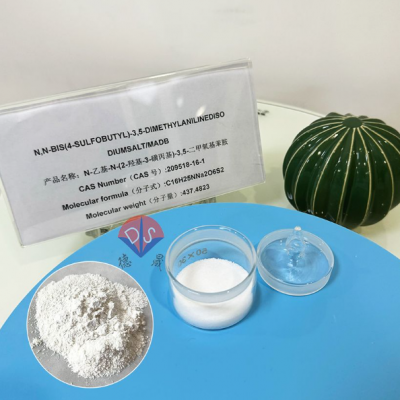 Read More

Contact Us
Recommended Products
-
 You Need to Pay Attention to These Three Erroneous Views When Purchasing Carbopol PowderUS$ 10MOQ: 500 Kilograms
 -
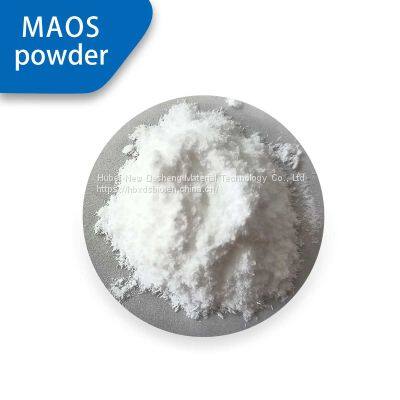
Exploration of the Advantages of MAOS Chromogenic Substrates in Biochemical DetectionUS$ 35 - 50MOQ: 100 Grams
-
Application of MADB 209518-16-1 in Serum Muscle Enzyme Detection KitUS$ 30 - 45MOQ: 100 Grams
-
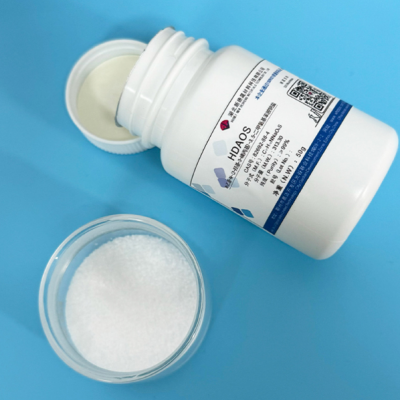
Basic Information of the New Trinder's Reagent HDAOS Powder ReagentUS$ 20 - 35MOQ: 100 Grams
-
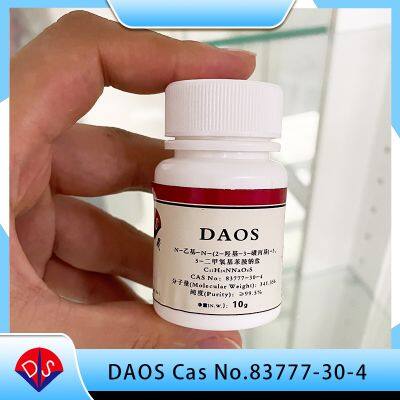
What Items Can DAOS, a Chromogenic Substrate, be Used to Detect?US$ 30 - 50MOQ: 100 Grams
-
Packaging Requirements for Exporting Color Developing Substrate ALPS Powder in Small BatchesUS$ 15 - 28MOQ: 100 Grams
-
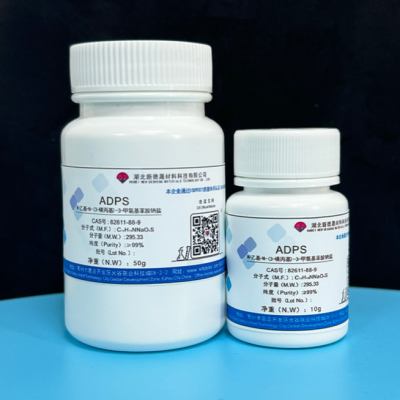
The Simplicity of ADPS Colorimetric Reagent in Experimental OperationUS$ 8 - 13MOQ: 100 Grams
-
Stability and Storage Conditions of ADOS Products as Chromogenic SubstratesUS$ 15 - 22MOQ: 100 Grams
-
How to Obtain High-quality TOPS Powder as a Chromogenic SubstrateUS$ 1.6 - 2.8MOQ: 100 Grams
-
Advantages of High TOOS Molar AbsorbanceUS$ 1.5 - 2MOQ: 100 Grams
-
Multiple Applications of CHES Buffer in Biological ResearchUS$ 30.8 - 40.8MOQ: 500 Kilograms
-
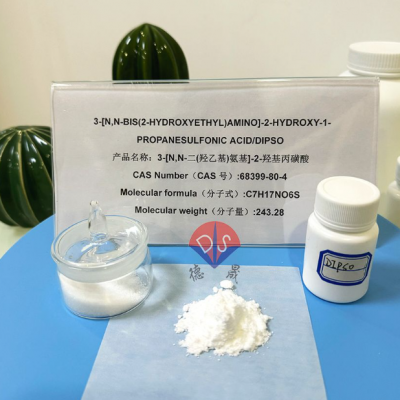
Biological Buffer DIPSO (68399-80-4) Detailed Description for Quick UnderstandingUS$ 42.8 - 50.8MOQ: 500 Kilograms
-
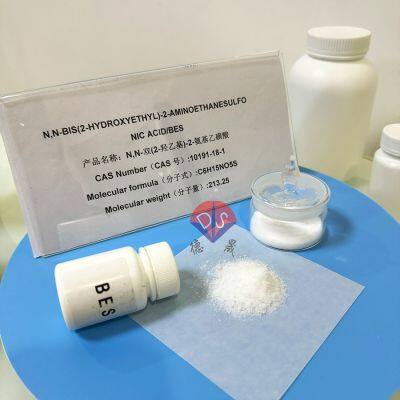
How to Determine and Choose a BES Buffer 10191-18-1 Manufacturer for ProcurementUS$ 42.8 - 50.8MOQ: 500 Kilograms
-
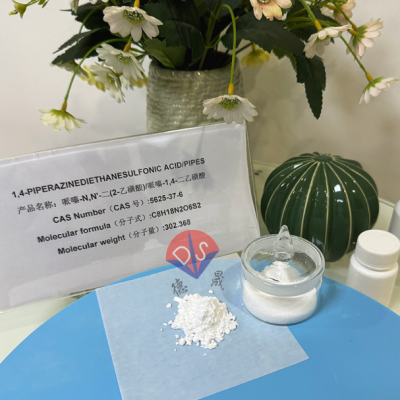
Application of Biological Buffer PIPES 5625-37-6 in Biochemical ResearchUS$ 26.6 - 32.8MOQ: 500 Kilograms
-
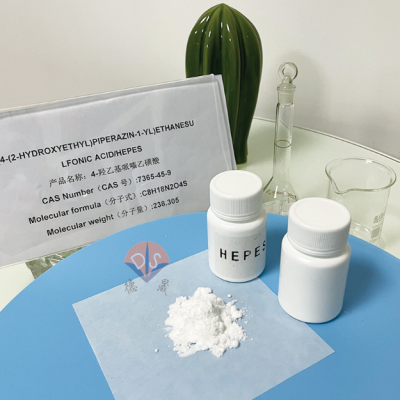
What Does HEPES Buffer 7365-45-9 do for Cell CultureUS$ 26.6 - 32.8MOQ: 500 Kilograms
-
Advantages of MOPSO Buffer 68399-77-9 in Low-temperature Biochemical WorkUS$ 28.8 - 39.8MOQ: 500 Kilograms
-
The Advantage of High Purity of EPPS Powder 16052-06-5 Raw Materials for Biological Buffering AgentsUS$ 56.8 - 68.8MOQ: 500 Kilograms
-
Application of Biological Buffer TAPS 29915-38-6 in Enzyme Activity ResearchUS$ 66.8 - 76.8MOQ: 500 Kilograms
-
Compatibility of Biological Buffer MOPS 1132-61-2 With Other ReagentsUS$ 26.6 - 32.8MOQ: 500 Kilograms
-
Introduction to the Transportation Packaging of CAPS Powder 1135-40-6, a Biological Buffering AgentUS$ 22.8 - 26.8MOQ: 100 Kilograms